"It never gets easier, you just go faster." - Greg Lemond
Showing posts with label Diet. Show all posts

Tuesday, March 26, 2013

Salt Matters


Introduction
 The health outcomes associated with a high salt diet are generally negative, and include increased risk of cardiovascular disease risk, stroke, and kidney disease (1).  Because salt intake influences the total osmolarity of your blood, increased consumption of salt, aka sodium-chloride (NaCl), rich foods results in the body shunting more fluid to the blood, which requires various compensatory mechanisms, including increased workload on the cardiovascular system (2).  There is substantial evidence that those at risk for cardiovascular disease due to high blood pressure should reduce NaCl intake.  However, recent high impact studies have been published that demonstrate salt intake may also influence the progression of other diseases.
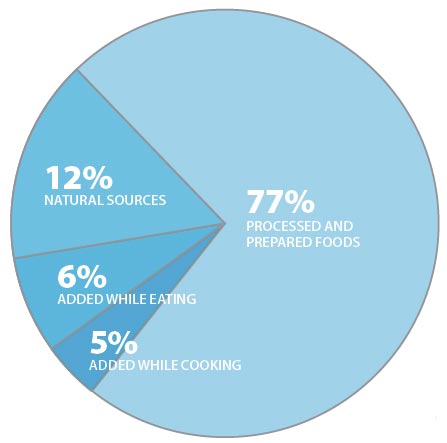
Salt sources in American diet (source NIH)
There has been a significant increase in the incidence and frequency of autoimmune disease in the American population over the last half-century (3).  Examples of these diseases include inflammatory bowel disease, rheumatoid arthritis, type I diabetes, multiple sclerosis, and lupus erythematosis.  In order to understand whether certain environmental factors may be responsible for the increased incidence of autoimmune disorders in the United States, researches have examined the relationship between changes in the Western diet and immune function.  Increased consumption of processed foods or “fast” foods containing copious amounts of NaCl has represented a significant dietary change over the past half-century (4), although the relationship between high NaCl intake and autoimmune disease has not been well characterized.

Cutting Edge
Recent studies published in Nature Letters have provided a solid foundation for future research focused on the relationship between NaCl intake and autoimmune immune disease.  A recently discovered immune cell, known as a Th17 T cell, has been suggested to play a role in the etiology of numerous autoimmune and proinflammatory diseases.  Th17 cells are known to heavily participate in chronic inflammatory diseases as well as hyperactivation of the immune system during immune responses to various pathogens such as influenza (5).  Because these cells are mediators of inflammation, they play a critical role in protecting the host from infectious agents, however, excessive activation of the immune system resulting in chronic inflammatory or hyperinflammatory responses has potentially lethal consequences to the host.

Thus under normal circumstances, Th17 cells are tightly regulated immune cells that are present at relatively low frequencies in the body.  In has been demonstrated that Th17 cells can be found at increased numbers during autoimmune disease, and deletion of Th17 cells using genetic ablation reduces the severity of autoimmunity (5, 6).  These observations reinforce the notion that Th17 cells are critical mediators of autoimmune disease.  Because our understanding of these cells is in its infancy, it is not quite understood what factors determine the production of Th17 cells.  However, among various cytokines, the inflammatory cytokine, interleukin 23 (IL-23), has been shown to stabilize and reinforce Th17 development (7).  

In two very timely publications, scientists show that high sodium (Na) plays a role in the development and pathogenic nature of Th17 cells.  Studying the molecular aspects of Th17 cell differentiation, Wu et al. show high Na concentrations induce the activation of signaling within T cells that supports development into Th17 cells (8).  This was shown to be related to the activation of an intracellular protein known as serum glucocorticoid kinase 1 (SGK1), a salt-sensitive protein, meaning its activation is highly dependent on salt concentrations.  Activation of SGK1 in T cells results in increased sensitivity to IL-23, which as mentioned earlier supports Th17 development.  

In the vary same issue of Nature Letters Kleinewietfeld et al. discovered culture of human T cells in media containing increasing NaCl concentrations promoted the development of Th17 cells in a dose dependent fashion (9).  Using an “experimental” model of autoimmunity, the authors of this study fed mice that were destined to develop autoimmune encephalitis (an autoimmune disease similar to multiple sclerosis) a high salt diet and found that mice fed a high NaCl diet presented with more severe autoimmunity than mice fed a normal NaCl diet (9).  Further studies by Wu et al. found that mice fed a high salt diet alone had marked increase in the frequency of Th17 cells in gut associated lymphoid tissues, and that mice harboring a genetic deletion of SGK1 had reduced Th17 cell development in response to a high salt diet.  Perhaps even more important, Wu et al. present data in agreement with Kleinewietfeld et al. in that mice fed a high salt diet exhibited more severe autoimmunity than mice fed a normal salt diet and that this severe autoimmunity was SGK1 dependent.  

Conclusions
Ok, great, but what does this all mean? 

I’m sure the media will blow most of this out of proportion... (Foxnews).   Do these studies say that having a high salt intake will result in autoimmune disease?  NO. 

These are experimental models of autoimmunity, in which mice are immunized with proteins that forcefully induce autoimmunity.  However, these two studies form an attractive hypothesis supporting the role of the Western diet in immune dysfunction.  Furthermore, these data provide framework for future studies examining the direct role of NaCl intake on the incidence of autoimmunity, especially in individuals who might be genetically predisposed to developing autoimmune disease.

What can be taken away from these studies is that there is some evidence that excess salt in the diet can alter immune cell development, which has dangerous implications if one is predisposed to developing autoimmunity (such as in these mice).  The authors conclude that determining whether a “true low-salt diet, representing the conditions in which Homo sapiens were environmentally selected in Africa” has the potential to reduce risk of autoimmunity will be very difficult because of Western culture, which to me is a truly disappointing conclusion (obviously they’ve never heard of Paleo!).  Instead the authors suggest looking for pharmacological agents that block the molecular pathways described above (yay, just give people more drugs and lets continue to eat like crap!).  I think based on these studies there is real evidence that high salt diets have the potential to further exacerbate inflammatory responses which are clearly detrimental to human health.   

Works Cited

1.         Brown IJ, Tzoulaki I, Candeias V, Elliott P. Salt intakes around the world: implications for public health. Int J Epidemiol. 2009 Jun;38:791-813.
2.         Appel LJ, Frohlich ED, Hall JE, Pearson TA, Sacco RL, Seals DR, Sacks FM, Smith SC, Jr., Vafiadis DK, Van Horn LV. The importance of population-wide sodium reduction as a means to prevent cardiovascular disease and stroke: a call to action from the American Heart Association. Circulation.  Mar 15;123:1138-43.
3.        Ascherio A, Munger KL. Environmental risk factors for multiple sclerosis. Part II: Noninfectious factors. Ann Neurol. 2007 Jun;61:504-13.
4.         McGuire S. Institute of Medicine. 2010. Strategies to Reduce Sodium Intake in the United States. Washington, DC: The National Academies Press. Adv Nutr.  Nov;1:49-50.
5.         Korn T, Bettelli E, Oukka M, Kuchroo VK. IL-17 and Th17 Cells. Annu Rev Immunol. 2009;27:485-517.
6.         Lee Y, Awasthi A, Yosef N, Quintana FJ, Xiao S, Peters A, Wu C, Kleinewietfeld M, Kunder S, et al. Induction and molecular signature of pathogenic TH17 cells. Nat Immunol.  Oct;13:991-9.
7.         Aggarwal S, Ghilardi N, Xie MH, de Sauvage FJ, Gurney AL. Interleukin-23 promotes a distinct CD4 T cell activation state characterized by the production of interleukin-17. J Biol Chem. 2003 Jan 17;278:1910-4.
8.         Wu C, Yosef N, Thalhamer T, Zhu C, Xiao S, Kishi Y, Regev A, Kuchroo VK. Induction of pathogenic T17 cells by inducible salt-sensing kinase SGK1. Nature.  Mar 6.
9.         Kleinewietfeld M, Manzel A, Titze J, Kvakan H, Yosef N, Linker RA, Muller DN, Hafler DA. Sodium chloride drives autoimmune disease by the induction of pathogenic T17 cells. Nature.  Mar 6.


Thursday, February 21, 2013

Relationship between glycemic index and serum cholesterol

"For a large proportion of the population, the effect of higher-carbohydrate diets, particularly those enriched in refined carbohydrates, coupled with the rising incidence of overweight and obesity, creates a metabolic state that can favor a worsening of the atherogenic dyslipidemia that is characterized by elevated triglycerides, reduced HDL cholesterol, and increased concentrations of small, dense LDL particles." - Siri-Tarino et al. 2010 (1)

“It was the opinion of some Cholesterol Conference participants that recommendations based on attempts to isolate the effects of dietary cholesterol from complex dietary patterns and extrapolations from calculated models are flawed and may lead to unintended negative consequences. It is, perhaps, more effective to recommend broader dietary patterns where there is more direct evidence for an effect on health outcomes.” – Brownawell and Falk 2010 (2)


Background
Cholesterol may be regarded as an "evil" dietary component, but the fact remains that cholesterol is an essential molecule for human development and bodily function.  The critical role of cholesterol in maintaining health is most evident in those suffering from genetic mutations that result in the impairment of cholesterol synthesis; they suffer from craniofacial abnormalities, syndactyly, polydactyly, genital malformations, jaundice, and congenital heart disease (3).  Furthermore, cholesterol serves as the precursor for bile acids as well as many hormones that we regard as invaluable for physical development such as testosterone, estrogen, progesterone, as well as the adrenal hormones (4). Certainly there is a reason that (dietary) cholesterol has become somewhat of a pariah - circulating blood (serum) cholesterol levels are a good predictor of/reason for cardiovascular disease.

More recently blood cholesterol has been described by the sort of protein that it is associated with as it travels through our circulation in cholesterol/protein complexes of various sizes.  Thus when we talk about LDL or HDL we are describing the entire circulating complex, rather than just the total cholesterol found in circulation.  Without going into the mechanisms by which LDL or the LDL:HDL ratio or particle size contributes to cardiovascular disease or metabolic syndrome, I think its safe to conclude that high LDL levels in the blood in the absence of high HDL levels is associated with unfavorable outcomes regarding our health.

Diet and Cholesterol
Consuming animal products, results in the consumption of dietary cholesterol, plain and simple.  Whether it be eggs, milk, cheese, or steak, these contain some amount of cholesterol.  Don't make the common mistake to assume that all high fat foods contain cholesterol; for example avocado, despite its buttery texture and plethora of fats, avocado is a fruit, and cholesterol-free.  Based on this observation, one might conjecture that avoidance of animal products (i.e. veganism) would facilitate tight regulation of serum cholesterol levels by reducing all dietary cholesterol.  Certainly from a dietary standpoint, this is one very powerful way of eating that is beneficial for those predisposed to be at a greater risk of cardiovascular disease (5). 

Cholesterol also plays a hugely important role in the synthesis of bile salts (bile) (4).  These compounds are synthesized in the liver, stored in the gall bladder, and secreted into the intestine to help better absorb fats by emulsifying them and reducing their hydrophobicity.  Because bile is derived from cholesterol, one dietary approach is to increase the amount of bile that is lost in the feces (6, 7).  Normally the body reabsorbs bile during digestion, but certain plant components, mainly fiber, can bind bile and cause it to be lost in the stool (6).  Thus, the body must synthesize new bile from cholesterol, which is thought to help lower serum cholesterol levels.

Regulation of Cholesterol Synthesis
Because of the critical importance of cholesterol in cell structure and function, our bodies do not rely on dietary cholesterol as the sole source of cholesterol.  Perhaps even more important than dietary cholesterol, endogenous cholesterol (cholesterol synthesized by our bodies) is a/the major contributor to the total cholesterol pool within our bodies (4).  The importance of manipulating this pathway is emphasized by the methods for treating elevated serum cholesterol in a clinical setting.  One of the most commonly prescribed drugs in for treating this condition is a family of drugs known as Statins (8).  Statins are HMG-CoA reductase inhibitors, an enzyme found mostly in the liver responsible for the synthesis of cholesterol that is not obtained through the diet (4).  Inhibition of HMG-CoA by Statins has been shown to lower serum cholesterol levels by nearly 50%, supporting the notion that endogenously synthesized cholesterol makes up a large portion of total serum cholesterol levels (8).  Follow me so far?  HMG-CoA produces endogenous cholesterol.
Cholesterol Trafficking Pathways (Eatingacademy.com)

Focusing on this pathway is of particular interest to me and leads me to ask several questions.  How does our body regulate cholesterol levels in the absence of minimal dietary cholesterol?  Does diet still influence this pathway?

I guess the short-answer is yes, further investigation into this concept reveals that dietary cholesterol travelling in cholesterol remnants such as LDL or HDL reaching the liver results in feedback inhibition on HMG-CoA reductase, such that, during a period of elevated dietary cholesterol, the body receives a signal to reduce endogenous cholesterol synthesis (4).  Feedback inhibition is one mechanism that phytosterols, a plant component known to reduce circulating cholesterol levels, are thought to work.  Indeed, phytosterols have a very similar structure to cholesterol, supporting the notion that feedback inhibition results from phytosterols in the diet.

 The concept of feedback inhibition results in the eventual question, well then what happens when cholesterol is removed from the diet entirely?

Interestingly, in the absence of dietary cholesterol, endogenous cholesterol levels can vary widely.  In my understanding, serum cholesterol levels are tightly related to endogenous synthesis rates i.e. HMG-CoA reductase activity (4), a high degree of which is attributed to hormonal and genetic regulation of HMG-CoA reductase (9).  Since genetic regulation of HMG-CoA activity is more or less beyond our control at this time, I'll talk about hormonal regulation of HMG-CoA activity.  Especially and specifically metabolic hormones such as insulin, glucagon, thyroid hormone, and glucocorticoids.

The concept that insulin stimulates the liver to synthesize cholesterol was first published as early as 1969 (as far as I could find).  Interestingly, in animals, complete absence of insulin signaling, HMG-CoA reductase levels are nearly non-existent, suggesting a critical role for insulin in maintaining basal cholesterol synthesis (10).

If insulin is a major driver of cholesterol synthesis, is there evidence that dietary modifications independent of changing dietary cholesterol can result in more promising outcomes regarding cholesterol and cardiovascular health?

Evidence and Conjecture
I've spent a long time looking for specific studies that are well controlled in regards to the relationship between serum cholesterol and glycemic load of meals. While there may not be many studies designed to directly examine this relationship from a mechanistic standpoint, there are a plethora of dietary studies available that look at the correlations between study and draw conclusions based upon.

In 2006 a group of scientists published a study in the Journal of Nutrition that compared the effectiveness in reducing risk factors associated with cardiovascular disease (mostly serum cholesterols).  The authors chose to compare the American Heart Association Diet (AHAD) and a Low Glycemic Index Diet (LGID) containing plant phytosterols (11).   While both diets resulted in improved blood panels, the LGID diet was more effective than the AHAD diet at improving blood panels when studying the affect of the diets on serum cholesterol levels.  Similar findings were recently reported recently in two other separate occasions in women (12, 13), and has also been reporte din men (14) strongly supporting the notion that reducing glycemic load is associated with reduced cardiovascular disease risk. 
A direct opposite, a study looking at Japanese women found increasing the glycemic load of the diet resulted in reduced HDL (15).  Because high HDL levels are considered protective, we again find a situation in the literature where diets with a high glycemic load appear to have negative impacts on the LDL:HDL ratio, one of the most important biomarkers of risk.  These are just some examples of numerous publications looking at relationships between glycemic load (and thus insulin load) and cholesterol levels.  I should point out that there are other studies that found no benefit to reducing glycemic index, although I'd argue the data seems to generally support my position.  On a side note:  Do you think your doctor knows about these studies and/or is aware of this sort of evidence????

Take Home Message(s).
I'm not going to go so far as to criticize carbohydrates, rather argue that food choices should be made with glycemic index in mind.  This is especially important as food labels will use just about every catch phrase to try to get you to buy the product.  Just because you see a low-fat, cholesterol free food, the glycemic index may be very high.  I don’t think this is a shocking concept to anyone concerned with what they’re eating, however, I hope to have made a relatively convincing argument here that dietary cholesterol is likely not a major culprit in the ailing health of Americans.  Because of the aforementioned studies regarding the role of insulin and glycemic load in regulating cholesterol synthesis, I feel confident saying that highly insulinogenic diets, even in the absence of dietary cholesterol, have the potential to be counter productive for persons watching cholesterol levels.

Eating
My idea of a pyramid

I think the evidence presented here supports the importance of including adequate fiber in the diet.  (Soluble) Fiber has the potential to reduce cholesterol levels through at least two mechanisms discussed here.  #1 fiber lowers the glycemic index of a meal, thus reducing the amount of insulin that will be secreted.  #2 fiber also is capable of binding to bile, causing it to be excreted, and forcing the body to use endogenous cholesterol to synthesize new bile.

I could go on and on about what the food industry has done to us by creating these "low-fat" foods, where sugar is relied on for taste rather than fat.  I'll try not to indict anyone, but I do think that fat the potential to influence cholesterol levels in the diet, similar to fiber. Fat and protein stimulate the secretion of bile through the production of CCK.  Thus, adequate fat is required in the diet to maintain or support bile secretion during the consumption of a meal.  Furthermore, fat and protein also lower the glycemic load of a meal, emphasizing the importance of having a diet adequately balanced in macro-nutrients.

Hmm what kind of diet is high in fiber, contains adequate fat and protein, and is generally low glycemic index and/or non-insulinogenic.  If you follow my blog, you probably know what I’m thinking about already (cough, cough, paleo, cough, cough).


Works Cited

1.         Siri-Tarino PW, Sun Q, Hu FB, Krauss RM. Saturated fat, carbohydrate, and cardiovascular disease. Am J Clin Nutr.  Mar;91:502-9.
2.        Brownawell AM, Falk MC. Cholesterol: where science and public health policy intersect. Nutr Rev.  Jun;68:355-64.
3.         Irons M, Elias ER, Tint GS, Salen G, Frieden R, Buie TM, Ampola M. Abnormal cholesterol metabolism in the Smith-Lemli-Opitz syndrome: report of clinical and biochemical findings in four patients and treatment in one patient. Am J Med Genet. 1994 May 1;50:347-52.
4.         Ness GC, Chambers CM. Feedback and hormonal regulation of hepatic 3-hydroxy-3-methylglutaryl coenzyme A reductase: the concept of cholesterol buffering capacity. Proc Soc Exp Biol Med. 2000 May;224:8-19.
5.         Craig WJ. Health effects of vegan diets. Am J Clin Nutr. 2009 May;89:1627S-33S.
6.         Lattimer JM, Haub MD. Effects of dietary fiber and its components on metabolic health. Nutrients.  Dec;2:1266-89.
7.         Story JA, Furumoto EJ, Buhman KK. Dietary fiber and bile acid metabolism--an update. Adv Exp Med Biol. 1997;427:259-66.
8.        Nawrocki JW, Weiss SR, Davidson MH, Sprecher DL, Schwartz SL, Lupien PJ, Jones PH, Haber HE, Black DM. Reduction of LDL cholesterol by 25% to 60% in patients with primary hypercholesterolemia by atorvastatin, a new HMG-CoA reductase inhibitor. Arterioscler Thromb Vasc Biol. 1995 May;15:678-82.
9.         Goedeke L, Fernandez-Hernando C. Regulation of cholesterol homeostasis. Cell Mol Life Sci.  Mar;69:915-30.
10.       Ness GC, Wiggins L, Zhao Z. Insulin increases hepatic 3-hydroxy-methylglutaryl coenzyme A reductase mRNA and immunoreactive protein levels in diabetic rats. Arch Biochem Biophys. 1994 Feb 15;309:193-4.
11.       Lukaczer D, Liska DJ, Lerman RH, Darland G, Schiltz B, Tripp M, Bland JS. Effect of a low glycemic index diet with soy protein and phytosterols on CVD risk factors in postmenopausal women. Nutrition. 2006 Feb;22:104-13.
12.       Shikany JM, Tinker LF, Neuhouser ML, Ma Y, Patterson RE, Phillips LS, Liu S, Redden DT. Association of glycemic load with cardiovascular disease risk factors: the Women's Health Initiative Observational Study. Nutrition.  Jun;26:641-7.
13.       Jones JL, Comperatore M, Barona J, Calle MC, Andersen C, McIntosh M, Najm W, Lerman RH, Fernandez ML. A Mediterranean-style, low-glycemic-load diet decreases atherogenic lipoproteins and reduces lipoprotein (a) and oxidized low-density lipoprotein in women with metabolic syndrome. Metabolism.  Mar;61:366-72.
14.       Mosdol A, Witte DR, Frost G, Marmot MG, Brunner EJ. Dietary glycemic index and glycemic load are associated with high-density-lipoprotein cholesterol at baseline but not with increased risk of diabetes in the Whitehall II study. Am J Clin Nutr. 2007 Oct;86:988-94.
15.       Amano Y, Kawakubo K, Lee JS, Tang AC, Sugiyama M, Mori K. Correlation between dietary glycemic index and cardiovascular disease risk factors among Japanese women. Eur J Clin Nutr. 2004 Nov;58:1472-8.


Thursday, October 18, 2012

Paleo Week 3

Well 3 weeks in, and I am unsure of what to do next.  My running has stabilized to the point where I no longer feel like I don't have enough carbs in the tank and I am getting used to eating in this fashion on the regular.  Its just kinda become the norm for me to reach for a handful of almonds instead of making a PBJ for a snack.  I think I will give it a few more weeks, and as my ankle heals, test out the fat adaption during the long run.

Speaking of my ankle, I am taking my own patented "Clinthorne" approach to injuries, and just hammering away on it, in hopes of beating the weakness out.   No where near being back to normal enough to run trail, but I feel pretty good on the roads, as long as I pay attention to foot placement.

Monday:  Pissed I didn't get to run long this weekend.  7 miles at lunch.  10 in the evening.  Made a big pot of beanless Buffalo chili to eat during the weak.  Hillary thought it would be gross, until she tasted it.

Tuesday:  6.5 miles at lunch, only break during an all day experiment.  Forced myself onto the treadmill in the PM, at about 9:00 when I got home.  Ran 5.5 miles and gave up.

Wednesday:  6.5 miles in the AM before work.  10 miles when I got home.  Did 20/40's (Spring 20 seconds, rest 40 seconds) for the last 15 minutes of the PM run, dang that's hard.

Thursday:  Another busy day.  7 miles in the AM.  4.5 miles in the PM before taking a prospective student out to dinner, had a few beers, and decided I was not doing anymore running that night.

Friday:  14 miles in the AM.  Today, wearing Hokas, I felt invincible, and we had some beautiful weather.  Went for a nice 9 mile jog in the PM and nearly got run over 5-6x.  Stupid homecoming traffic, I can't believe these people graduated from college, they're terrible at driving.

Saturday:  Decided to try something new - spent 3 hours on the treadmill while watching the MSU football game.  An exciting game is a great way to pass time on the mill, but to make it more tedious, I set the incline at 15% and jogged btw 4-5 mph the entire time.  Football game went to overtime making the end of the run somewhat dangerous as I was not focusing on foot placement at all.   Ended up with 15 miles and some 8000 feet of vert.  A touch over 3 hours of running.

Sunday:  Legs were toasted up pretty good after yesterday.  10 miles in the AM, and 4 miles on the stairclimber (1 hour - 520 floors climbed) in the PM.  This was also a sufferfest, and I liked it.

Total of 107 miles without having gone long, but doing a lot of 2 a day runs.  Just happy my ankle isn't totally uncooperative.  No where near normal though.

Paleo FISH TACOS!!

Ingredients:

3 Tilapia Filets
2-3 multicolored peppers
1/2 vidallia onion
1/8 red onion
1/8 cup finely chopped cilantro
1/2 lemon
1/4 cup cooking oil (Canola Oil)
1 tsp onion powder
1 tsp chili powder
1 tsp garlic powder
4-6 lettuce leaves

1.  Dice your peppers and onions into small pieces
2.  Heat up a large sautee pan containing oil on medium
3.  Add peppers + onion and cook until soft (approximately 10-15 minutes)
4.  Add thawed Tilapia filets
5.  Cook Tilapia, allowing it to flake and break apart in the pan
6.  Add cilantro and other spices
7.  Allow to cook until Tilapia is cooked and has fallen apart and stirred into the rest of the mixture
8.  Squeeze lemon juice from 1/2 lemon into the dish and remove from heat.  Stir a few more times
9.  Serve on lettuce leaves from iceburg lettuce and garnish with sour cream, avacado and tobasco sauce.
10.  Enjoy

Nice colorful mixture of peppers and onion 

Cook until soft and colors are melded


Add Tilapia and cilantro

Tilapia flakes apart and cooks into this dish nicely

Serve on lettuce leaves

Dont forget avacado


Thursday, October 11, 2012

Paleo Week 2

Sorry to be a little late in posting.  Experiments and the writing that comes with trying to publish data have taken up most of my time as of late.

Week 2 went well.  Towards the end of week 1 I would find myself battling fatigue after about an hour into a run.  It would pass, but it was strange to be dealing with the low energy feeling.  Now I notice that it is not an issue whatsoever and I think I am beginning to be better at metabolizing fat.  I've continued focusing on a high fat paleo style diet rather than a high protein paleo style diet, which to me, makes more sense, is cheaper, and has less of an impact on the environment.

Monday:  10 miles, low HR.  Legs were tired out after the previous weeks B2B long runs.

Tuesday:  Same as Monday.  Made my garlic green beans as a nice paleo side for dinner.

Wednesday:  Felt spunky and put in a 9.5 mile tempo run in 1:03:30 in the morning.  Followed this up with an easy 10 on the trails at night.  Flank steak that marinated overnight for dinner, along with a big baked potato with avacado and sour cream (gasp not paleo?!??!).  I'm not overly stressed about being strict paleo, sour cream is delicious, and I will continue to enjoy it.  Its not like I put it on everything...

Thursday:  A easy/moderate paced 6.5 at lunch.  10 more in the afternoon.

Friday:  Same as Thursday.  Teryaki Tuni steaks for dinner.  Pretty dang good if I do say so myself.

Saturday:  Had trouble getting motivated, as college football is just so entertaining and I have no races to get me out the door to train for, which honestly, feels kinda nice right now.  Was thinking about taking a day off, when I finally forced myself onto the Poto around 4pm.  Disaster struck when I rolled my ankle nasty bad, heard a loud popping nose, hobbled to my car and put ice packs on it with no idea what to expect.  I had been planning on spending the night in my car at the trail head, and then hitting 30-35 miles on Sunday, but this idea quickly disappeared as I went to sleep in my car with a busted leg.  5 miles total.

Oops
Sunday:  Made it once around the short Poto loop for 13 miles, not especially fast, but good god was a glad my ankle at least let me get that much running  in.  Iced it out for the rest of the day.

Total of 90 miles for the week.  Planning on a few more, but right now I just want to get my ankle back to normal so I can continue enjoying the beautiful fall weather and colors.

Garlic Green Bean Recipe:  Makes enough for 2.
Approximately 1 pound of green beans
2-3 cloves of garlic
1/2 lemon
1/8 cup olive oil
1 tsp garlic powder
1 tsp salt

Buy some green beans.
Clean them with water and then break off the stems.
Dice up 2-3 cloves of garlic crushing it nicely to release the garlic essence
Heat up a skillet containing about half of your olive oil
Add the green beans, allow to cook for about 5 minutes
Add the other half of your olive oil + garlic
Sautee over low-medium heat until desired tenderness is reached (I prefer mine somewhat al-dente)
Squeeze in lemon juice, and allow to cook for another minute.  Don't cook for too long with lemon juice, otherwise it will caramelize and make a sticky mess.

If your olive oil starts to run out, add some water and the beans can continue to cook/steam without a problem.

Enjoy


Monday, October 1, 2012

Paleo Week 1

First week of paleo-style eating and ultrarunner style running complete.  Overall the energy levels have felt pretty stable, which is a good thing since I was hoping to come close to that magical 100 miles this week.

Monday:  10 miles at an easy pace at the trails.  Refueled with a bottle of grape soda after the run.  Once refueling was complete I made paleo style fish tacos for dinner.

Tuesday:  10 miles at the trails at an easy pace at the trails.  

Wednesday:  6.5 miles at lunch at a very hard pace.  Ran it in just under 41 minutes.  Refueled with 350 calories of orange juice.  10 more miles at the trails in the PM.

Thursday:  10 mile road run at an easy pace.

Friday 6.5 miles at lunch at an easy pace.  9 miles at Bird Hills in the PM.  Very high intensity hill sessions.

Saturday:  5:30 am wakeup to be out the door for a 21 mile road run with Jack.  Ryan Case joined in for the first 9-10 miles.  Longest road run I have done in a very long time.  Refreshing yet reminded me why I don't generally pound the pavement for so long.  Tired out the rest of the day.  Drank about 800 ml of water and had 1 gel for the entire run.  breakfast was 1 banana slathered in almond butter.  Refueled with 500 calories of OJ and a big egg omelet when I got home.  Paleo style burgers for dinner (romaine lettuce bun)

Sunday:  Goofed around in the AM, until I got motivated and legs woke up.   Breakfast was a cup of coffee, several handfuls of nuts, an apple and a banana.  Got running by 12:30.  22 miles at the Potowotami in Pinckney.  Good old fashion fun.  Great to be out in the woods with the fall colors changing. Had to stop and eat a handful of animal crackers at about mile 17 (animal crackers - that sounds paleo right?).  Interesting run - I felt pretty fatigued at mile 9 (uh-oh), but then dialed in and felt great until I decided to have a quick snack and hammer the last 5.  Not sure if the fatigue was due to the diet, the previous days outing, or just generally not quite recovered from Woodstock.  Refueled with an Ensure, OJ, and raisins.  Hillary made some delicious chicken soup from scratch that I feasted on when I got back to Lansing.

Final mileage = 104.5 miles.  Not a bad week.  Especially since I resisted the urge several days to go for runs twice daily and just focused on the nice aerobic ten mile jog.  The new diet seems to be working well, I feel very satiated, I think because I have been focusing on getting a lot of calories from healthy fats.  This includes mostly monounsaturated fats from nuts, avacados, and olive oil, but also some omega 3 and omega 6 polyunsaturated fats from canola oil (and nuts too).  Overall, I was pleased with my ability to do back to back long runs this weekend without really needing to eat a ton of carbs in-between the runs or even during the runs.  Part of it is staying at a relatively aerobic heart rate (not always easy when I enjoy running hills).  I think I am adjusting, albeit slowly to metabolizing more fat.  Even if I'm not, I will continue to tell myself that I am.

The hardest part so far for me has been the refueling aspect.  As a nutrition student, I know how important it is to optimize nutrition during the recovery window in order to maximize gains, limit soreness, support the immune system and prepare ones-self for the next days outing.  Overall, I am sticking to things that normally work for me, which is high glycemic index sugars and a light protein snack.  Working on swapping out a chocolate milk for a glass of orange juice and a few almonds.


Thursday, September 27, 2012

Going Paleo

After an exciting win and PB at the Woodstock Hallucination 100, I've been feeling...  sluggish.  I logged 28 miles the week proceeding Woodstock and 64 miles the week after.  My legs were being impetuously stubborn, while my heart rate and pace wasn't too far off what I would expect, the effort was overly difficult.

Between peaking, tapering, racing, and recovering, I think I've lost a little bit of fitness.  Maybe.  Or maybe mentally I'm out of the groove.  This always seems to happen to me after a 100.  This post-race burnout gives me a huge deal of respect for people who can string together multiple hundreds within a month, 2 months, or even a year.

After some serious beer drinking, football watching, and general chillaxing, I've decided its time to re-establish my base.  Lots of slow running with my heart rate monitor to gauge effort levels and really focus on staying in my aerobic zone.  Once a week I plan on hitting a hard tempo run or track workout to try to maintain some speed while hopefully re-establishing my base.

"If you always do what you've always done, you'll always get what you've always got"  I'm not sure why this phrase keeps popping into my head.  Ever since I decided to wear my Hokas just for the heck of it at Woodstock, I have been interesting in changing some things up and trying some new things.


I've been a firm believer in being a carbohydrate monster to support my training.  Which is nice, because carbs are cheap, simple to prepare, easily available, and delicious.   But, in the spirit of trying new things, I'm going to try to paleo diet, with some minor adjustments for an athlete.  Its been a couple of days now, and so far I am really enjoying the new diet.  I'm not sure if there is a specific reason for trying the Paleo, maybe eating a higher fat diet will increase my fat metabolism, maybe not.  It has an almost asthetic appeal to me, as it just makes sense - eat like our ancestors who didn't have to deal with diabetes and cardiovascular disease.  This really seems like the way we were "meant" to eat.

One thing that had me very interested in this diet is that the authors are both scientist, and the book (which I've owned for years) does an excellent job of promoting the science along with the philosophy.  The general goal is to remove processed foods from my diet.  I also noticed today that everything I've eaten this week has been gluten free.  I'm cheating a little bit and still making a recovery smoothie after my runs that has milk in it, as well as allowing myself some simple carbs after a run.

Weird things I've noticed:  I haven't needed a cup of coffee in the morning as urgently as usual.  I've eaten 4 dozen eggs so far this week.  My energy levels have been more stable than I recall them usually being.  I smelled ketones towards the end of my 10 miler today.

Food that has made up my week includes:  Almonds, grapes, bananas, oranges, apples, eggs, steak, nectarines, fish, carrots, potatoes, peppers, hummus, green beans, frozen fruit and vegetables, walnuts, fish, onions, olive oil, butter, and salads.

Some things are less paleo than others.  I don't know if potatoes or carrots are very paleo, but I'll never restrict nutrient rich fruits or vegetables, no matter what a diet calls for.

I'll update the ole' blog with my progress with the diet, some recipes I've come up with, as well as how it seems to be influencing my ability to train at 100+ miles a week. Also, I like this blog Primal Living

Friday, January 13, 2012

Dietary nitrate and nitrite may provide a performance boost


It is widely accepted that increased intake of the preservative sodium nitrite found in processed meats such as deli meats, bacon, and hot dogs is associated with negative health outcomes for certain subgroups of the population (1).  These associations have resulted in dietary nitrates and nitrites receiving a “bad name.”  However, scientists have been quick to point out that diets proven to be beneficial for cardiovascular health contain high amounts of fruits and vegetables, are low in sodium and contain polyphenols, potassium, fiber, and, you guessed it, nitrate! (2)  If dietary nitrates and its reduced form, nitrite, are so harmful, then why do we encourage consumption of fruits and vegetables containing these compounds?

Interestingly, dietary nitrate can reduce blood pressure through conversion to nitric oxide resulting in increased vasodilatation (3).  Thus, it stands to reason that enhanced nitrate intake contributes to the cardioprotective effect of dark green leafy vegetables, which are a particularly rich source of nitrate (2).  Evidence is emerging that consumption of dietary nitrate not only has positive effects on blood pressure, but that it also has the ability to enhance some parameters of exercise performance (3)!  I want to point out, this is independent of nitric oxide induced vasodilation.


In a recent study, subjects consuming 0.5L of beetroot juice prior to exercise exhibited a reduction in systolic blood pressure, as well as decreased oxygen consumption during walking and running (4). Indeed, beetroot juice is a rich source of dietary nitrate as well as other metabolically active compounds including antioxidants and polyphenols. In order to control for these variables, the authors of this study removed nitrate from the beetroot juice to use as a control. It became apparent that the positive effects on exercise observed in this study were due to the nitrate content of beetroot juice. Importantly, results from this study as well as others indicate dietary nitrate increased time to exhaustion in constant speed severe intensity running and cycling as well as decreasing the oxygen cost of exercise, indicating improved exercise economy (3, 5).  While the mechanisms by which dietary nitrate improves these parameters remains to be fully understood, by use of a nitrate free beetroot juice, the authors definitively show that dietary nitrate has a positive physiological response to exercise.

These studies provide a valuable dietary modification of exercise performance. By reducing the oxygen cost at moderate and severe intensity running, one is reducing the energy cost of running.  According to the authors, 4 days of dietary nitrate supplementation induced improvements equivalent to those observed following 6-9 weeks of physical training (4).  Ideally enhanced running economy translates to enhanced endurance; however this parameter was not assessed during this study.


So how do we actually apply this knowledge to our sport, you ask?  I am certainly not going to run around with beetroot juice in my bottles.  What it boils down to is that there are not a lot of nitrate/nitrite supplements available - mostly because they are associated with the generation of N-Nitrosocompounds, a carcinogen thought to increase the risk of developing colon cancer.  I think for this reason, you will not see a lot of companys (Clif, Gu, Powerbar, Hammer, etc.) pursue utilizing this interesting nutrient.  However, as Hord et al. point out, the generation of these carcinogens is highly dependent upon the presence of vitamin C and lipids (fat).  This is likely to occur during the consumption of salami for example (due to the fact it is preserved with nitrates and vitamin C and also has a high fat content) but is less likely to take place when eating lean deli meats, or during the consumption of a meal rich in dietary nitrates like can be found in spinach or beets.  Dietary nitrates are thought to have a half life of 5-8 hours in circulation, thus we can try to incorperate these into our meal the night before a race, or if we have a supplement, immediately before, and during.  This would also suggest we need a fresh bolus half way through a 24 hour endurance event.  Using reference 2 I have provided a table classifying nitrate concentrations in commonly consumed vegetables.  To me, it is interesting to think that there are some elite athletes who are known for their diets, think Scott Jurek, Dave Scott, Devon Crosby-Helms, and others who are open with their vegetable rich diets, may actually be benefiting from dietary nitrate.  After having a conversation with Dr. Norm Hord, the author of an excellent review on this subject, he pointed out that V8 (the vegetable kind, not the sugary juice) is actually based in beetroot juice and is an excellent source of nitrate.  My stomach rolls at the thought of drinking a V8 during a long run, but heck with all that salt, it might not be so bad.


TABLE 3
Classification of vegetables according to nitrate content
Nitrate content (mg/100 g)
Very low, <20 Artichoke, asparagus, broad bean, eggplant, garlic, onion, green bean, mushroom, pea, pepper, potato, summer squash, sweet potato, tomato, watermelon
Low, 20 to <50 Broccoli, carrot, cauliflower, cucumber, pumpkin, chicory
Middle, 50 to <100 Cabbage, dill, turnip, savoy cabbage
High, 100 to <250 Celeriac, Chinese cabbage, endive, fennel, kohlrabi, leek, parsley
Very high, >250 Celery, cress, chervil, lettuce, red beetroot, spinach, rocket (rucola)


Works Cited

1.    Gilchrist M, Winyard PG, Benjamin N. Dietary nitrate--good or bad? Nitric Oxide.  Feb 15;22:104-9.
2.    Hord NG, Tang Y, Bryan NS. Food sources of nitrates and nitrites: the physiologic context for potential health benefits. Am J Clin Nutr. 2009 Jul;90:1-10.
3.    Ferreira LF, Behnke BJ. A toast to health and performance! Beetroot juice lowers blood pressure and the O2 cost of exercise. J Appl Physiol.  Mar;110:585-6.
4.    Lansley KE, Winyard PG, Fulford J, Vanhatalo A, Bailey SJ, Blackwell JR, DiMenna FJ, Gilchrist M, Benjamin N, Jones AM. Dietary nitrate supplementation reduces the O2 cost of walking and running: a placebo-controlled study. J Appl Physiol.  Mar;110:591-600.
5.    Bailey SJ, Winyard P, Vanhatalo A, Blackwell JR, Dimenna FJ, Wilkerson DP, Tarr J, Benjamin N, Jones AM. Dietary nitrate supplementation reduces the O2 cost of low-intensity exercise and enhances tolerance to high-intensity exercise in humans. J Appl Physiol. 2009 Oct;107:1144-55.